Inhaltsverzeichnis
Orlistat
The weight-loss drug orlistat (Xenical® and alli®), together with a reduced-fat diet, can reduce the absorption of vitamin D from food and supplements, leading to lower 25(OH)D levels [ ]. Experts do not believe that excessive sun exposure results in vitamin D toxicity because thermal activation of previtamin D3 in the skin gives rise to various non-vitamin D forms that limit formation of vitamin D3. However, frequent use of tanning beds, which provide artificial UV radiation, can lead to 25(OH)D levels well above 375–500 nmol/L (150–200 ng/mL) [ ].
Careful time in the sun to 15 minutes on a clear day, without sunscreen -- is the best source. You can also get milk and sometimes orange juice with added vitamin D. Its strength makes it the building block for your bones and teeth. Get calcium from milk, cheese, yogurt, and other dairy foods, and from green vegetables like kale and broccoli. Check with your doctor about whether you should take a supplement.
Vitamins also differ from the other biological compounds in that relatively small quantities are needed to complete their functions. In general these functions are of a catalytic or regulatory nature, facilitating or controlling vital chemical reactions in the body’s cells. If a vitamin is absent from the diet or is not properly absorbed by the body, a specific deficiency disease may develop. Standard Process sells a variety of vitamins and dietary supplements, including a range of gluten-free products for people with nonceliac gluten sensitivity and those with celiac disease. This company sells a wide range of vitamins, minerals, and dietary supplements. Overall, clinical trials show that vitamin D supplementation does not reduce CVD risk, even for people with low 25(OH)D status (below 20 nmol/L [12 ng/mL]) at baseline [93,124].
- Yet, this does not mean they are healthy, and are probably not a good fit for people with diabetes or a high insulin level.
- Most vitamins need to come from food because the body either does not produce them or produces very little.
- RDAs for vitamin D are listed in both micrograms (mcg) and international units (IU); 1 mcg vitamin D is equal to 40 IU (Table 2).
- The guidelines are based on available reports of deficiency and toxicity of each nutrient.
- View a list of common foods and drinks and the amount of calcium in a standard portion.
- Participants were randomized to take either 30 mcg (1,200 IU)/day vitamin D3 or a placebo for 1 year.
Never disregard professional medical advice or delay in seeking it because of something you have read on this website. If you buy through links on this page, we may earn a small commission Here’s our process. Vitamins are any of several organic substances that are necessary in small quantities for normal health and growth in higher forms of animal life. They are usually designated by selected letters of the alphabet, as in vitamin C, though they are also designated by chemical names.
The guidelines are based on available reports of deficiency and toxicity of each nutrient. Learn more about vitamins and minerals and their recommended intakes in the table below. This company produces a variety of vitamins and dietary supplements for adults, children, and pets. Hypercalcemia, in turn, can lead to nausea, vomiting, muscle weakness, neuropsychiatric disturbances, pain, loss of appetite, dehydration, polyuria, excessive thirst, and kidney stones. A review of 71 observational studies in adults with and without type 2 diabetes from 16 countries found a significant inverse relationship between vitamin D status and blood sugar levels in participants who did and did not have diabetes [146].
Clinical trials to date provide little evidence that vitamin D supplementation helps maintain glucose homeostasis, reduces the risk of progression from prediabetes to type 2 diabetes, or helps manage the disease, particularly in vitamin D-replete individuals. Older adults
Older adults are at increased risk of developing vitamin D insufficiency, partly because the skin's ability to synthesize vitamin D declines with age [1,61]. In addition, older adults are likely to spend more time than younger people indoors, and they might have inadequate dietary intakes of the vitamin [1]. But despite the importance of the sun for vitamin D synthesis, limiting skin exposure to sunlight and UV radiation from tanning beds is prudent [28]. UV radiation is a carcinogen, and UV exposure is the most preventable cause of skin cancer.

Legumes, like black beans and lentils, and seeds are go-to sources. Most people get enough thiamin from the foods they eat, but pregnant and breastfeeding women need a little more. It helps you see at night, make red blood cells, and fight off infections. It helps prevent damage to cells and an eye problem called age-related macular degeneration. (But too much vitamin A can hurt your liver.) Eat orange veggies and fruits like sweet potato and cantaloupe, spinach and other greens, dairy foods, and seafood such as shrimp and salmon. The best way to get enough vitamins is to eat a balanced diet with a variety of foods.
A monthly update filled with nutrition news and tips from Harvard experts—all designed to help you eat healthier. For example, humans need to get vitamin C from their diets — while dogs can produce all the vitamin C that they need. The information on this site should not be used as a substitute for professional medical care or advice. Contact a health online pharmacy care provider if you have questions about your health. In 1931, Albert Szent-Györgyi and a fellow researcher Joseph Svirbely suspected that "hexuronic acid" was actually vitamin C, and gave a sample to Charles Glen King, who proved its activity counter to scurvy in his long-established guinea pig scorbutic assay. In 1937, Szent-Györgyi was awarded the Nobel Prize in Physiology or Medicine for his discovery.
FDA approves new treatment for advanced prostate cancer
Black Americans, for example, typically have lower serum 25(OH)D levels than White Americans. However, whether these lower levels in persons with dark skin have significant health consequences is not clear [14]. Those of African American ancestry, for example, have lower rates of bone fracture and osteoporosis than do Whites (see the section below on bone health and osteoporosis).
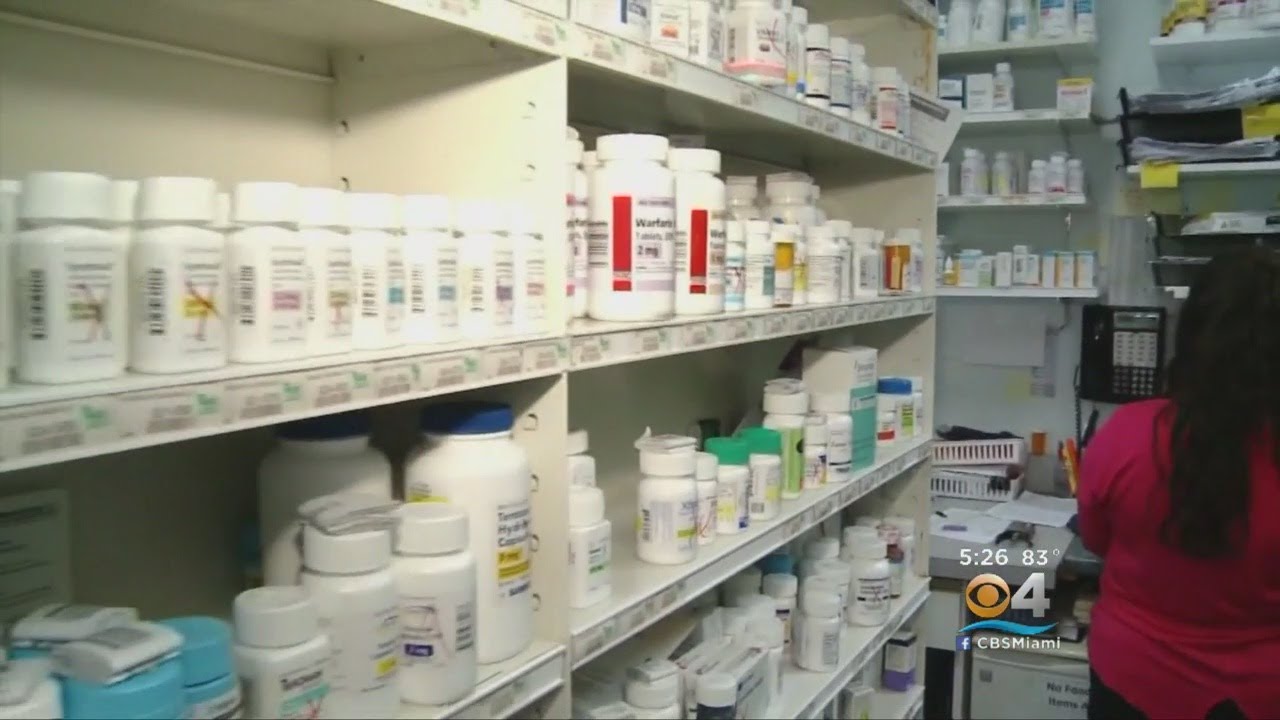
Vitamins are organic compounds that people need in small quantities. Each has a different role in maintaining health and bodily function. Some people need supplements to boost their supply, but this depends on their lifestyle and overall health. There is no uniform agreement concerning vitamin requirements for humans, but recommended daily vitamin intakes are sufficiently high to account for individual variation and normal environmental stresses. Both plants and animals are important natural sources for vitamins. All vitamins can be either synthesized or produced commercially from food sources and are available for human consumption in pharmaceutical preparations.
Some studies have used dietary supplements containing the 25(OH)D3 form of vitamin D. Per equivalent microgram dose, 25(OH)D3 is three to five times as potent as vitamin D3 [37,38]. However, no 25(OH)D3 dietary supplements appear to be available to consumers on the U.S. market at this time [32]. Optimal serum concentrations of 25(OH)D for bone and general health have not been established because they are likely to vary by stage of life, by race and ethnicity, and with each physiological measure used [1,13,14]. In addition, although 25(OH)D levels rise in response to increased vitamin D intake, the relationship is nonlinear [1].
Steroids
Corticosteroid medications, such as prednisone (Deltasone®, Rayos®, and Sterapred®), are often prescribed to reduce inflammation. These medications can reduce calcium absorption and impair vitamin D metabolism [ ]. In the NHANES 2001–2006 survey, 25(OH)D deficiency (less than 25 nmol/L [10 ng/mL]) was more than twice as common among children and adults who reported oral steroid use (11%) than in nonusers (5%) [174].
Many of its products are available in gummy form, which may suit people who have difficulty ingesting solid supplements, such as tablets and capsules. Nordic Naturals sells a wide range of omega supplements, including options suitable for vegetarians and vegans. The supplements have certifications from numerous third-party organizations, including organic and GMO-free status certifications.
Serum concentrations of 25(OH)D are reported in both nanomoles per liter (nmol/L) and nanograms per milliliter (ng/mL). One nmol/L is equal to 0.4 ng/mL, and 1 ng/mL is equal to 2.5 nmol/L. Vitamin D obtained from sun exposure, foods, and supplements is biologically inert and must undergo two hydroxylations in the body for activation.
Each performs various roles in the body, and deficiencies of different vitamins can harm health in different ways. A balanced, varied diet that contains plenty of fruits and vegetables should be the primary source of vitamins. The Department of Health and Human Services provide up-to-date guidelines detailing the best ways to get enough nutrients from the diet.
Vitamins and minerals are micronutrients required by the body to carry out a range of normal functions. However, these micronutrients are not produced in our bodies and must be derived from the food we eat. Aim to get vitamins from a balanced, varied diet that contains plenty of fruits and vegetables. If a person is pregnant or has a health issue or a restricted diet, a doctor or nutritionist may recommend supplements.